Can You Live in a Static Caravan All Year Round?
Premier Leisure Parks
Many people in the UK dream of trading their traditional home for the simplicity of a static caravan, especially with rising living costs and a growing interest in "off-grid" living. After all, static caravans can be more affordable and offer a closer connection to nature. But can you legally live in a static caravan all year round? The short answer is: it depends. In the UK, you can only do so under certain conditions, typically if the caravan is on a properly licensed residential park or on private land with planning permission.
Living on a Holiday Park: Seasonal Use Only
Holiday parks (also known as caravan holiday parks) are designed for recreation and temporary stays, not full-time residences. Even if a holiday park advertises a long opening season — some are open 10 or 11 months of the year — you still cannot legally live there as your sole home.
Here are the key reasons why a holiday park isn't a year-round permanent address:
Licence Restrictions
Holiday park operators have licences that forbid permanent occupancy. Local authorities grant planning permission for these parks on the condition that the static caravans are used for holidays only, not as primary homes. This holds true even if the park has a 12-month operating licence — you're generally required to vacate for a period each year and maintain another address elsewhere. Reputable parks spell this out in their terms and conditions. For example, you might see rules like "no more than 60 consecutive days of occupancy" or a requirement to leave for a few weeks in the off-season.
Off-Season Closures
Most UK holiday parks close for at least a few weeks or months in winter (common closure periods are around January/February). Many parks operate only 8–10 months of the year. When the park is shut, everyone must leave, clearly preventing year-round living. Even parks with extended seasons will have a mandatory break period or require you to vacate periodically.
No Permanent Address
You would still need a residential address for things like voting registration, driving licence, medical services, banking, and taxes. Authorities consider holiday park occupants as temporary visitors, so they won't accept a caravan there as your primary address. If you attempted to live on-site stealthily, these practical needs — and periodic checks by park management or council officials — would likely expose the situation.
Risk of Eviction
If someone does attempt to live full-time on a holiday park in breach of the rules, they risk serious consequences. The local council can enforce the licence terms; parks found allowing permanent residency can be penalised or even closed, which would leave you without a home. In short, it's not worth trying to "fly under the radar." Anyone selling you a caravan with the pitch of living there year-round is breaking the law — and it's the resident who could end up homeless when discovered.
For quality seasonal lodges, check our luxury lodges at Greenway of Gower or Green Meadow.
Residential Parks: A Home for All Seasons
If you're serious about living in a static caravan permanently, a residential caravan park (also known as a park home site) is the way to go. These are parks that have a specific licence from the local council allowing people to live there as their main residence.
Here's what you should know about residential parks:
Year-Round Residency
On a genuine residential park, you can live in your static caravan all year round — that's the whole point. The park's licence will explicitly permit permanent residency. In fact, the UK's Mobile Homes Act 1983 (which protects the rights of park home residents) stipulates that only parks with a permanent residential licence can be used as full-time homes. Always check that a park is licensed for residential use before buying a caravan there. The park should display its licence, and you can ask the local authority if you're unsure. If a park owner can't show you paperwork proving it's a residential site, consider it a red flag.
Council Tax and Bills
Because a residential park is your permanent home, you will be responsible for paying council tax — usually band A or another low band, given the smaller property size — just like in a conventional house. The rate is often lower than a typical house due to the nature of the dwelling. The park owner pays business rates for the park itself, but that doesn't exempt residents from council tax.
Community and Age Restrictions
Many residential parks are geared towards certain demographics, often retirees or those over a certain age (50+ is common). If you're part of a younger family, your choices might be more limited, as some residential parks won't allow under-50s or children living on site. Always check the park's rules — they may also have regulations on pets, parking, and more.
Buying on a Residential Park
Purchasing a static caravan or park home on a residential site is a bit different from buying on a holiday park. It's more like buying a small house. You'll typically get a written agreement under the Mobile Homes Act protecting your rights. The process might involve solicitors, and the unit itself may be a BS 3632 residential-spec home — especially for newer park homes. Make sure the unit meets appropriate standards for permanent living, including insulation and safety.
Living in a Static Caravan on Private Land
What if you have your own land and place a static caravan there to live in year-round? This scenario offers freedom and flexibility, but it's not as simple as parking a caravan on a plot and moving in. In the UK, using a static caravan as a primary residence on private land typically requires planning permission and adherence to local regulations.
- Planning Permission — To live year-round in a static caravan on your own land, you'll normally need planning consent from the council because it's classed as a change of land use.
- Temporary Exceptions — You may not need full permission if the caravan sits in your garden and is used only as temporary accommodation (e.g. during home renovations) or as part of a time-limited self-build project, but it cannot become a permanent independent home.
- If You Skip Permission — Living permanently without approval can lead to enforcement action, fines, and being forced to remove the caravan, so always follow the rules first.
- Utilities & Practicalities — With permission, you'll need proper water, sewage, and power connections, and the caravan will usually be liable for council tax if it's your main residence.
Considerations for Year-Round Caravan Living
Let's say you've sorted out the legalities — either by securing a spot on a residential park or obtaining planning permission for your caravan. Here are some practical things to think about:
Winter Warmth
UK winters can be cold and damp, and not all static caravans are built for year-round occupation. If you plan on staying through the winter, choose a caravan model with proper insulation, double glazing, and central heating. Many modern static caravans or park homes come with these features, some built to residential standards with extra insulation. Single-pane windows and a small gas fire might be fine for summer, but they won't keep you cosy in January.
Costs and Budgeting
One appeal of caravan living is cost savings. Buying a static caravan is generally far cheaper than buying a house, and the ongoing expenses like utilities and council tax are often lower too. However, be aware of other costs: annual site fees if you're on a park, insurance for your unit, and maintenance and upkeep (caravans do require maintenance to prevent leaks, damp, and so on). Also note that unlike a house, a static caravan is a depreciating asset — its value will typically go down over time rather than up.
Insurance and Security
If you live in your caravan year-round, make sure to get a suitable static caravan insurance policy that covers full-time living (some policies are only for holiday use). While insurance isn't a legal requirement, most parks will insist on at least liability coverage, and you'll want protection for your home and contents. Caravan insurance can cover risks like fire, flood, theft, storm damage, and even alternative accommodation if something happens to your unit.
Lifestyle Adjustments
Living in a static caravan can require some lifestyle changes. Space is limited compared to a typical house, so you'll need to embrace a more minimalist life — which many people find liberating, but it can be an adjustment. You might need to downsize your possessions and be clever with storage. Also, be prepared for a closer community (on a park) or more solitude (if on private land). Day-to-day tasks like laundry or receiving mail might work a bit differently on a caravan site.
Enjoying the Static Caravan Lifestyle
So, can you live in a static caravan all year round? Yes — but only in the right circumstances. To do it legally in the UK, you either need to be on a dedicated residential park or have the proper permissions to use a caravan as a dwelling on private land. Attempting to live full-time on a standard holiday caravan park is not allowed and could leave you in a very difficult situation.
Always follow the rules — they're there to ensure caravan parks remain safe and enjoyable for everyone, and that you have the protections of a proper residence when you need them.
Explore Our Holiday Home Ownership Opportunities Today
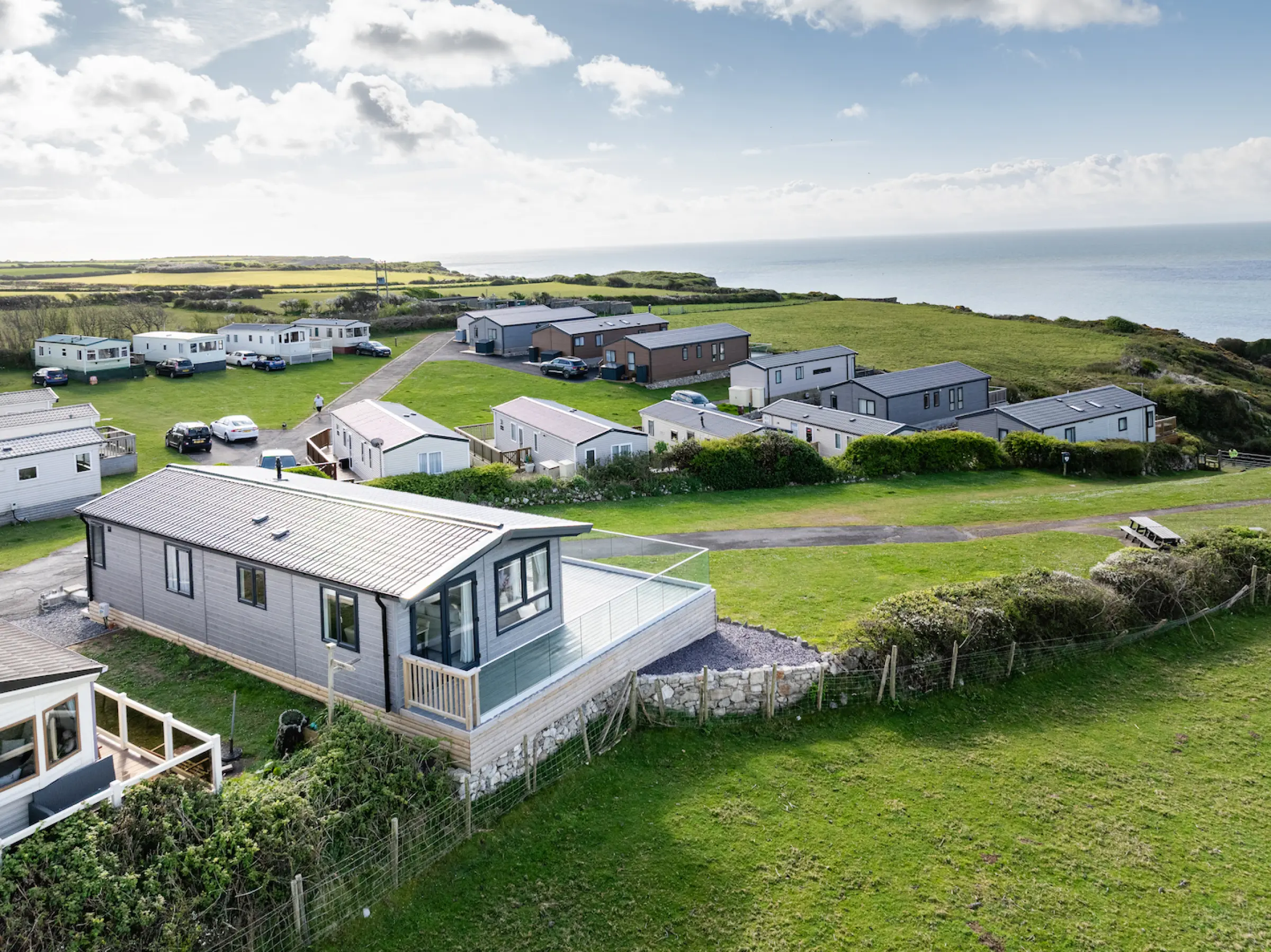
Premier Leisure Parks operates three luxury holiday parks on the beautiful Gower Peninsula in South Wales. Owners at these parks can purchase modern static caravan holiday homes — new or preloved models equipped for relaxed coastal living — or even opt for spacious luxury lodges with high-spec comforts.
While these parks are holiday parks (meaning they aren't for permanent 12-month residency), they do provide long seasons and an idyllic home-from-home by the coast for much of the year. Many owners spend spring, summer, and autumn making cherished memories in their caravan, then take a break during the brief off-season — truly the best of both worlds.
Contact us and our team can help you with your enquiries today.